Why this project exists
Leadership
should not be locked behind privilege
ai your leadership exists to make leadership development more accessible to people who are capable, driven and thoughtful, but who may not have access to expensive programs, influential networks or traditional career pathways.
.
This project was shaped by lived experience.
Not just in boardrooms and project delivery, but in libraries, factory floors, regional communities and rebuilding after adversity.
This didn’t start in a boardroom:I was a quiet child who never really found my place.
I was a quiet child who never really found my place.
School was not dangerous, but it was heartbreakingly lonely. I was bullied for being smart and learned very early that standing out could make you a target. Most lunchtimes were spent in the library where books became both an escape and a safe place.
Home life was difficult too. As a child growing up around family and domestic violence, I coped by becoming the “good girl” — neat, polite, conflict avoidant and careful not to draw attention to myself.
Everything changed when my parents separated when I was eleven. My mum, my sisters and I finally found freedom in small things like hiking, camping and simply being able to breathe a little easier.
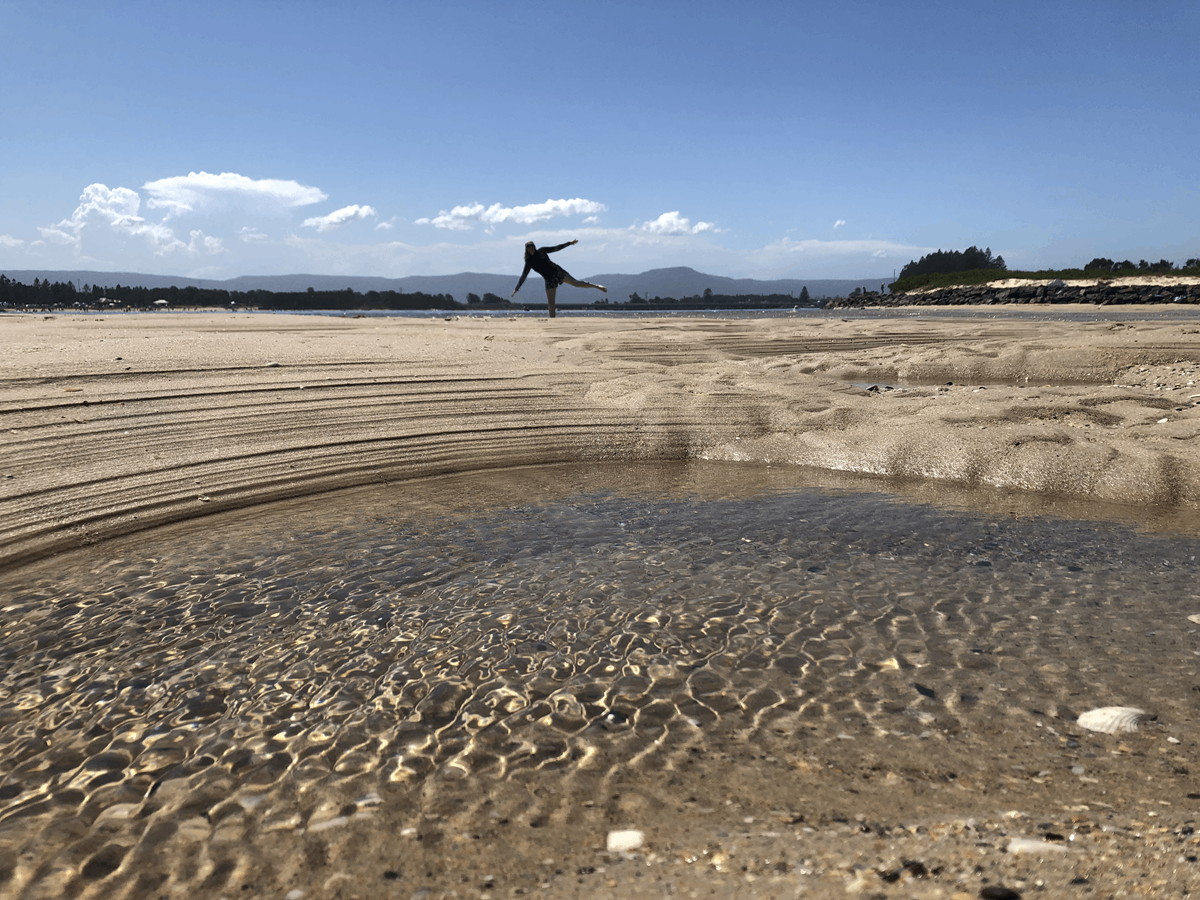
I grew up in Wollongong and have never lived anywhere else. Between the mountains and the sea, it is a place with a strong sense of identity. Regional, but close enough to Sydney that opportunity always felt visible, even if it was not always accessible.
My family came from trade based small business backgrounds. My grandfather was a baker. Another was a boot maker. My father was a glazier. Leadership, university and professional careers were not worlds I saw reflected around me growing up.
But I wanted them anyway.
The first place I ever experienced leadership was Girl Guides. It was the first environment where I felt safe to thrive instead of shrinking myself. I chased every badge, became patrol leader and then junior leader. Looking back now, I realise how important it was to finally experience an environment where being capable was encouraged instead of punished.
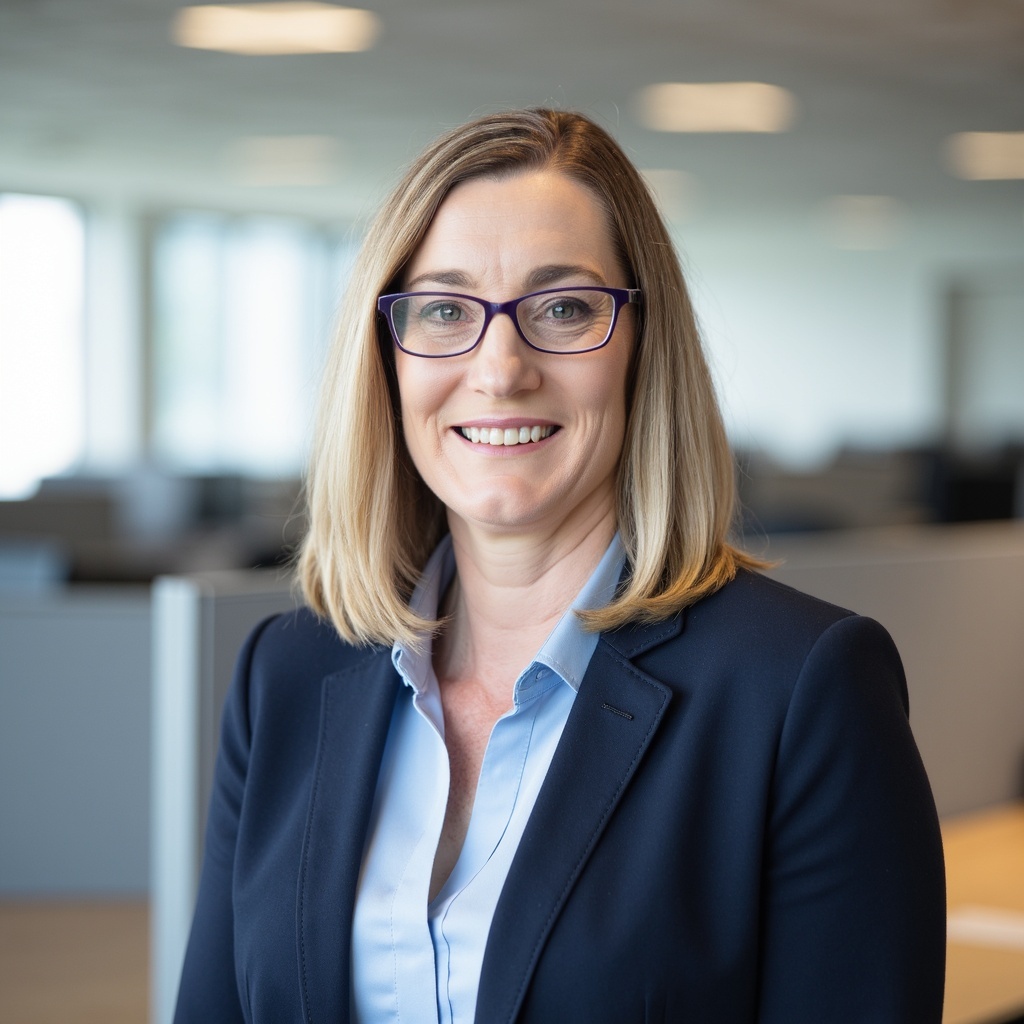
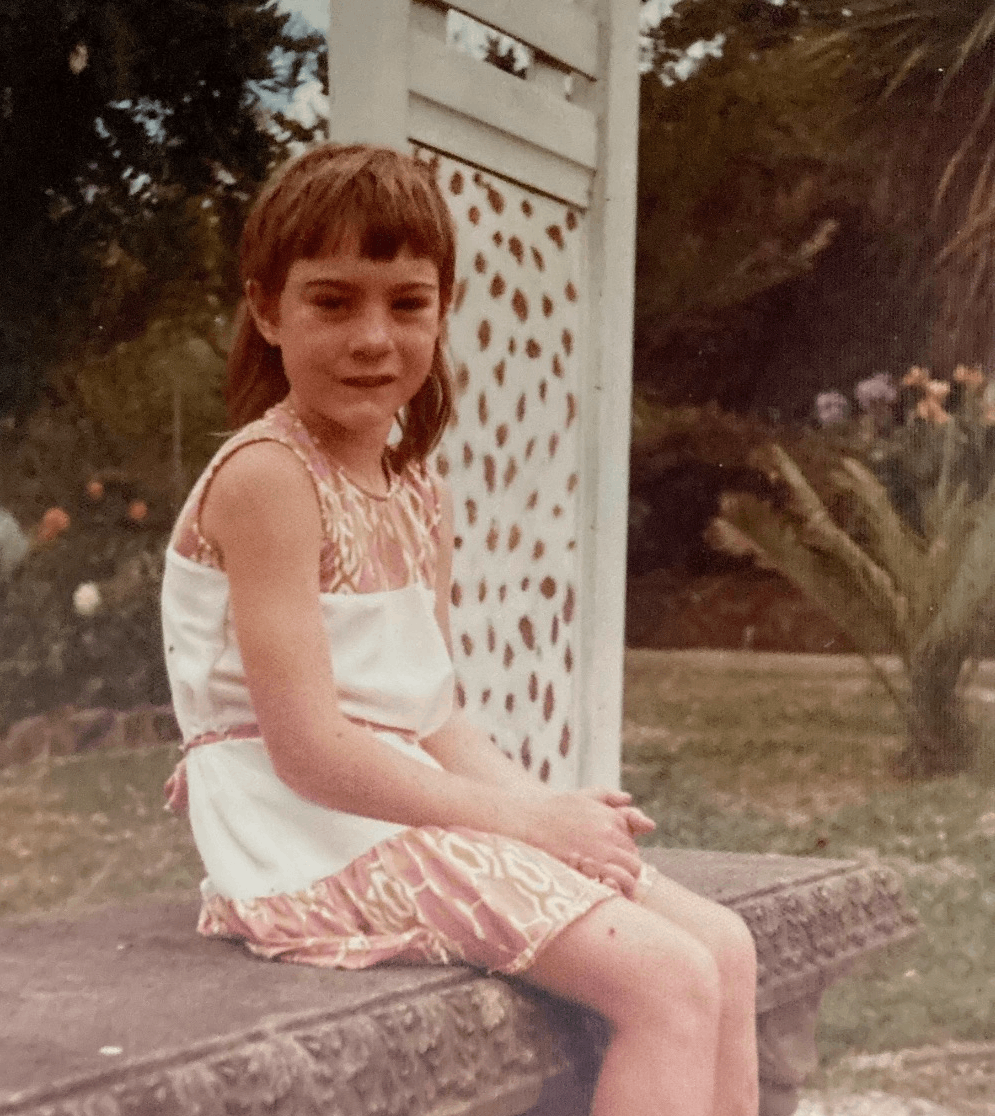
Long before I had the words, I had the drive:
Even as a young person, I knew I wanted a professional career.
What I did not yet understand was how difficult some systems could become when you were different from the people already inside them.
I broke new ground:
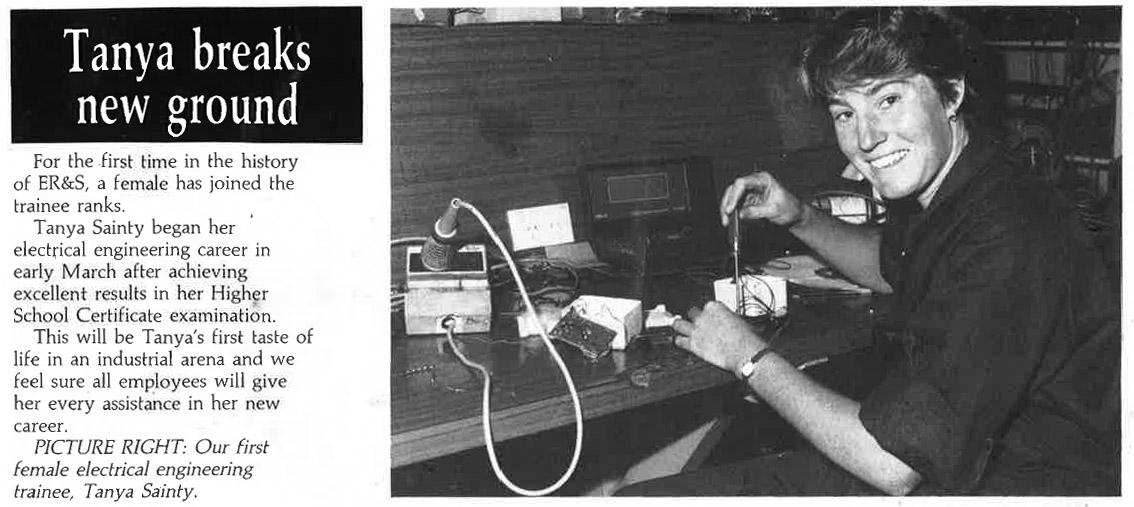
At eighteen, I became the first female electrical engineering trainee at ER&S, later known as Southern Copper.
I was the only woman among around three hundred tradesmen and plant operators. The only other women onsite worked as cleaners or secretaries in distant administration buildings.
The experience shaped me profoundly.
My traineeship included four years on the tools alongside electricians so that engineering trainees could also achieve their electrical licence. But many of the electricians openly avoided taking me onto jobs. Instead of learning, I spent years sweeping workshop floors and trying to survive an environment where humiliation was normalised.
Sexual harassment was constant. Isolation was weaponised. Psychological safety did not exist.
The late 1980s and 1990s were a difficult time for women entering male dominated industrial workplaces. Looking back now, what stays with me most is not only the behaviour itself, but the complete absence of support structures around it.
I often found myself sitting in the nurse’s station in tears, only to be told the solution was to leave.
But leaving meant losing the traineeship that was funding my university studies, so I stayed until the company eventually closed and everyone was made redundant.
That experience taught me something I have carried for the rest of my life:
When people do not feel psychologically safe, their potential narrows into survival.
And when systems isolate or marginalise people, the impacts can last for decades.
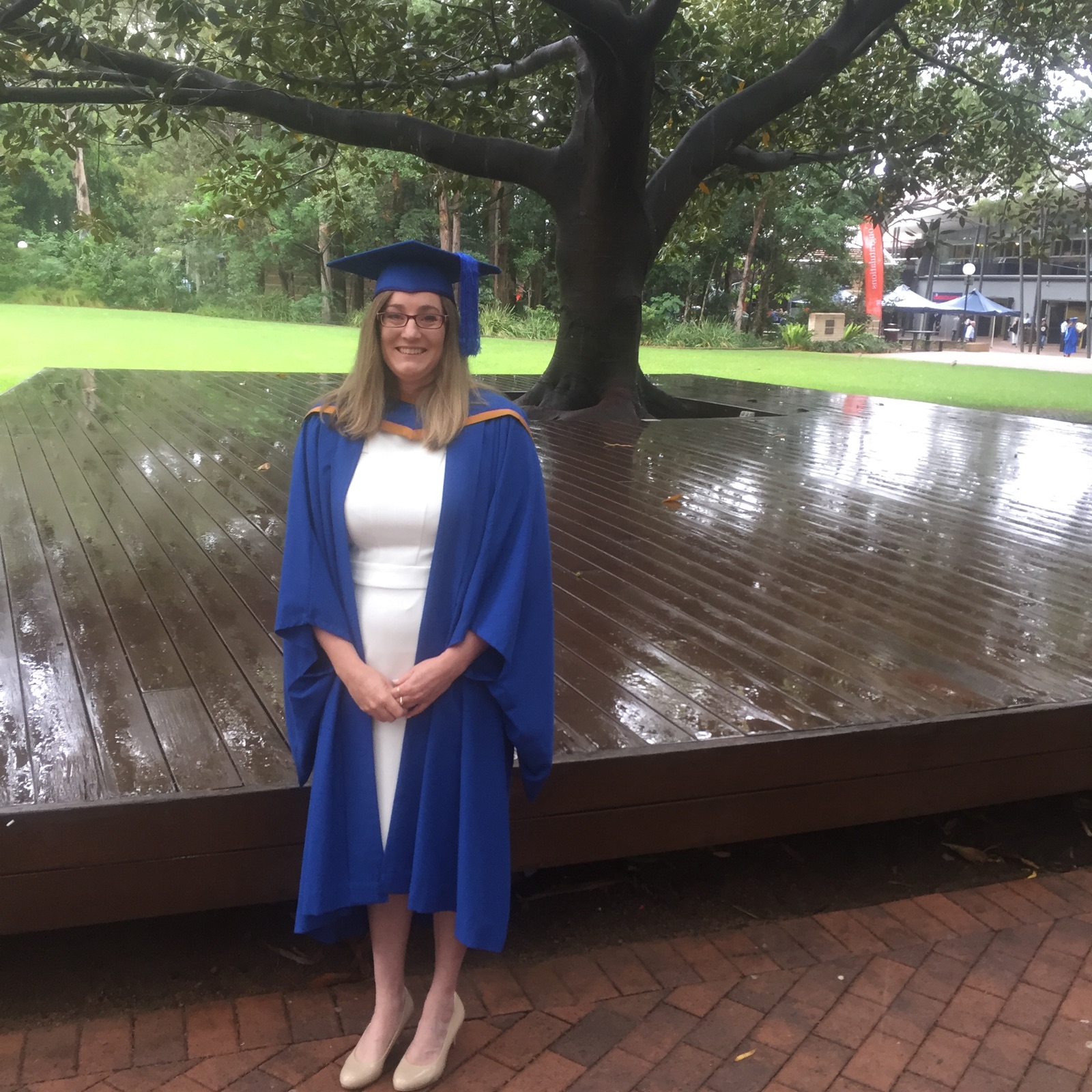
I rebuilt. I learned. I kept going:Years later, after leaving a seventeen year marriage, I found myself rebuilding my life from the ground up.
Years later, after leaving a seventeen year marriage, I found myself rebuilding my life from the ground up.
At the time, I had been a stay at home mother for thirteen years. I struggled to find work and eventually found a job at a local chemist working three short shifts a week. I earned so little that I was below the income tax threshold.
But even then, there was still a part of me that wanted more from life. Not status. Not prestige. Just the opportunity to grow into my own potential.
One day during a shift at the chemist, I remember thinking:
I cannot do this for the rest of my life.
So I started again.
I enrolled in an MBA and slowly rebuilt my career one step at a time, moving from cashier to administration, then leadership and management roles.
It was during those MBA electives that I discovered project management theory and immediately fell in love with it. The part of me that had always wanted to organise, connect and execute finally found a home.
That path eventually led me into large scale digital transformation and ERP programs, along with further qualifications including CAPM and PMP certifications through the Project Management Institute.
But education came at a cost.
At the time, I could not claim study expenses because my courses did not relate to the low paid job I was currently doing. The system rewarded people who already had established careers while making it harder for people trying to build one.
That stayed with me too.
Leadership development should not depend on postcode, privilege or proximity:Over time, my work expanded beyond corporate project delivery into advocacy and community leadership.
Over time, my work expanded beyond corporate project delivery into advocacy and community leadership.
My lived experience with domestic violence, workplace sexism, harassment and rebuilding as a single mother fuels my work with the Illawarra Women’s Health Centre and my passion for inclusive leadership.
I know what it feels like to look around and realise nobody is advocating for you.
And I know how much difference it makes when somebody finally does.
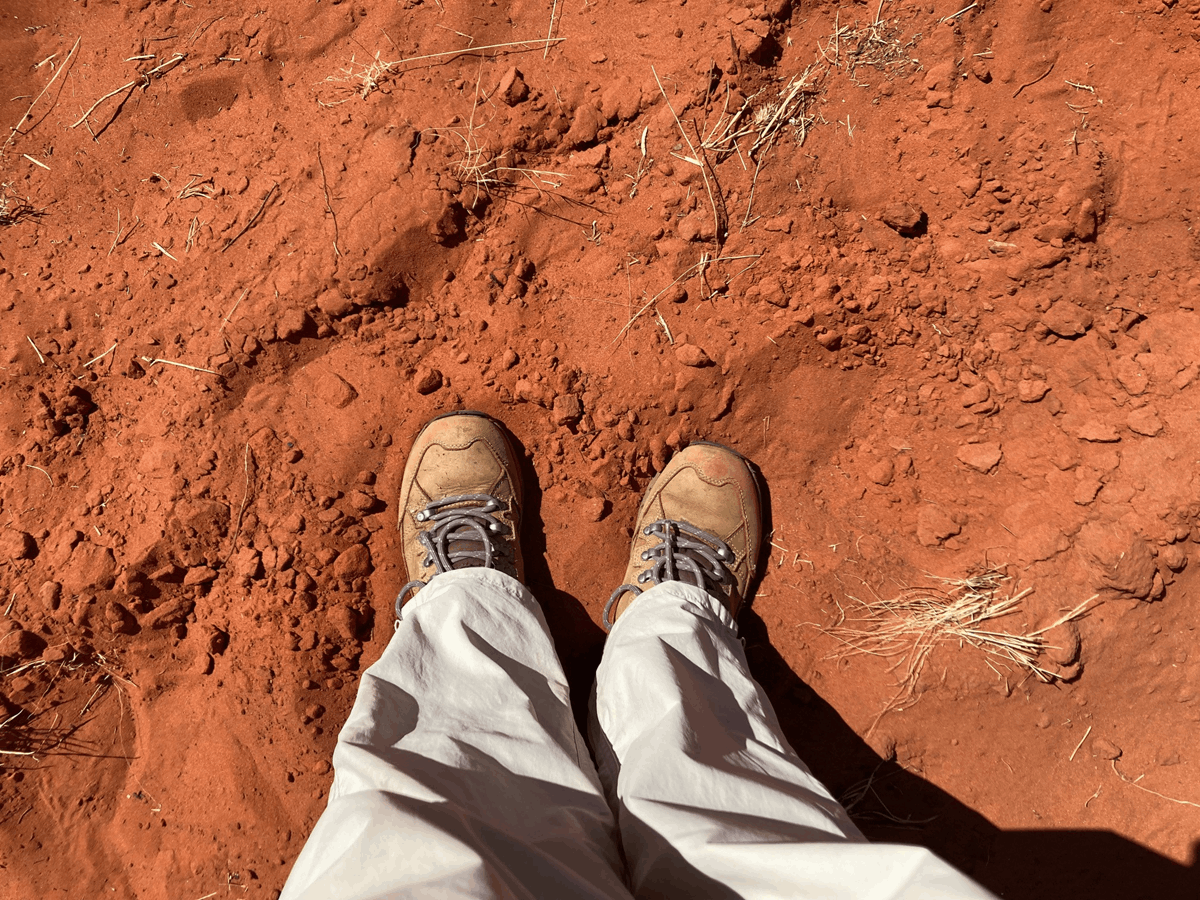
Through experiences in regional and remote Australia, including time spent working alongside communities in Alice Springs and the APY Lands, I became increasingly aware that leadership development is not equally accessible.
Some people lack money.
Some lack networks.
Some lack proximity to programs and opportunities.
Some are simply too busy surviving.
Yet these are often the very people closest to the complex problems we most need solved.
Climate change. Inequality. Community fragmentation. Mental health challenges. Social exclusion.
I believe many of the most important leadership solutions will come from outside traditional systems, from advocates, community leaders and people with lived experience.
But too often those voices remain under supported and under resourced.
That’s why ai your leadership exists:I first began using AI while planning a year of intentional networking and leadership development.